

The transition from sitting to standing is a fundamental movement, yet for millions of individuals managing mobility challenges, it can represent a significant hurdle. Caregivers, too, face immense physical strain when assisting with these transfers. Traditional manual lifting techniques often place both parties at risk of injury, leading to a cycle of discomfort and decreased quality of life. Enter the modern solution: a powered mechanical aid designed to harness the patient’s own weight-bearing capacity while eliminating the brute force required from a human assistant. Unlike full-body sling lifts that require complete passivity from the user, an electric sit to stand lift supports a more active, physiologically beneficial process. It engages the patient’s core and leg muscles, promoting blood circulation, maintaining bone density, and preserving a sense of autonomy. For any healthcare facility or home caregiving setup, understanding the profound impact of this technology is the first step toward safer, more dignified care.
Understanding the Biomechanics and Operational Advantages
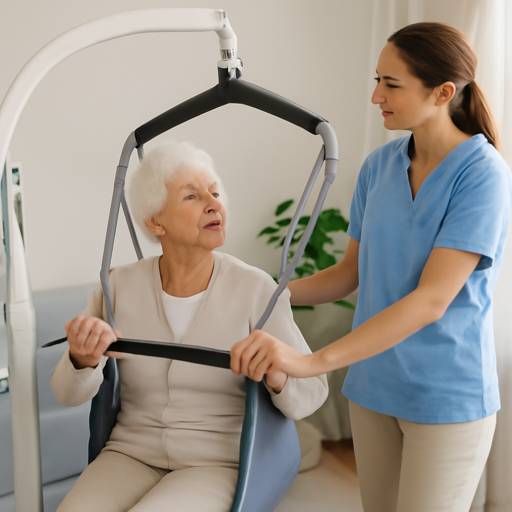
At its core, a sit-to-stand lift is a specialized device that bridges the gap between total dependence and full independence. The key differentiator for an electric model lies in its power system. Instead of relying on manual cranking or hydraulic pumping, an electric motor drives the lifting mechanism. This translates into a smooth, consistent, and effort-free operation for the caregiver. The patient stands on a stable platform, and a padded knee brace secures their legs. A chest strap or vest wraps around the upper torso. With the press of a button on a handheld pendant, the lift’s mast extends, gently guiding the patient from a seated position to a stable stance. This is not a passive haul; it mimics the natural standing motion. The electric motor handles the heavy load, allowing the caregiver to focus solely on guiding the patient and maintaining stability.
The ergonomic benefits are substantial. Caregiver back injuries are a leading cause of workplace absence in the nursing and home health sectors. By using an electric mechanism, the physical demand on the caregiver is reduced to nearly zero relative to the load. The risk of sudden lurches or uncontrolled descents is also minimized, as the motor provides a regulated, slow speed. Modern electric sit-to-stand lifts often feature programmable height limits and micro-adjustments, ensuring the transfer is perfectly aligned with the target surface, whether a bed, wheelchair, or commode. This precision is impossible to achieve with manual strength alone. For the patient, the experience is one of empowerment rather than helplessness. The distinct sensation of being actively engaged in the movement, supported by a machine that reacts to their pace, helps reduce anxiety and fear of falling. This is precisely where an electric sit to stand lift transforms a clinical transfer into a therapeutic intervention.
Clinical Applications and Patient Suitability
The effective deployment of an electric sit-to-stand lift hinges on proper patient assessment. It is designed specifically for individuals who possess some weight-bearing ability in their lower extremities and good upper body strength, but lack the coordination, endurance, or balance to stand independently. Conditions such as Parkinson’s disease, multiple sclerosis, post-operative recovery from hip or knee replacement, and general deconditioning due to lengthy illness are ideal applications. The device is contraindicated for patients who are non-weight-bearing, uncooperative, or have severe contractures of the knees or hips. For those who fit the criteria, the advantages go far beyond mere relocation.
Regular use of a sit-to-stand protocol contributes to therapeutic mobilization. Each transfer provides a gentle, controlled load on the skeletal system, helping to prevent osteoporosis. The repetitive motion reinforces neuromuscular pathways, potentially accelerating rehabilitation. In long-term care facilities, these lifts are a cornerstone of fall prevention programs. By making transfers safer and less intimidating, staff are more likely to encourage patients to get out of bed, reducing the risks of pressure ulcers, pneumonia, and deep vein thrombosis associated with prolonged bed rest. The electric features also enhance patient dignity. Many individuals find manual transfers embarrassing or painful. The smooth, quiet operation of an electric motor minimizes the clinical feel of the process. Furthermore, these lifts often require less physical space to operate than a floor crane or full-sling system, making them highly practical for smaller bathrooms or crowded hospital rooms. The caregiver can perform the transfer with a single assist, freeing up another staff member for other critical duties. The investment in an electric model pays dividends through increased operational efficiency, reduced injury claims, and improved patient morale.
Real-World Implementation and Case Study: Reducing Staff Strain in a Skilled Nursing Facility
To illustrate the tangible impact of this technology, consider the case of a 120-bed skilled nursing facility in the Midwest that struggled with a high rate of caregiver back injuries. Prior to adopting a standardized protocol using electric sit-to-stand lifts, the facility relied heavily on manual techniques and older hydraulic models. The manual lifts required significant physical exertion to pump, while the hydraulics offered jerky, unpredictable movements that unsettled patients. Annual worker’s compensation costs related to patient handling had climbed past $150,000.
The facility implemented a program that placed dedicated electric sit-to-stand lifts in every wing, specifically in high-traffic areas near dining rooms and shower stations. Staff underwent rigorous training on patient assessment and device operation. Within the first six months, the results were striking. Reports of musculoskeletal strain among nursing assistants dropped by over 40%. The smooth electric motion allowed for single-caregiver transfers for the majority of eligible residents, a task that previously required two people. The facility also noted a 15% increase in daily mobilization rates for residents on the rehab unit. Patients reported feeling safer and more willing to participate in their transfers, directly correlating with faster functional improvement scores. The reduction in injuries and the improved employee morale translated into lower staff turnover, a critical metric in the healthcare industry. The initial investment in the electric models was recouped in less than 18 months through reduced insurance premiums and fewer lost workdays. This real-world example underscores a fundamental truth: when care facilities invest in the right assistive technology, they are not just buying equipment; they are buying better outcomes for both patients and their dedicated caregivers. The strategic placement of these lifts effectively changed the culture of mobility within the building.
